
Land for Sale: Complete Guide to Finding the Right Property
Finding the right land for sale can be an important step toward building a home, starting a development project, or creating a long-term property investment. Land gives buyers flexibility because they can select a location, decide how they want to use the property, and plan development according to their future requirements.
However, buying land requires careful research. A property may look attractive because of its price, size, or location, but several other factors can influence whether it is actually suitable for your needs. Road access, surrounding development, documentation, land use, utilities, plot dimensions, and future growth should all be considered before making a decision.
Whether you are searching for residential land for your future home or looking for an investment opportunity, understanding the buying process can help you make a more informed choice.
This guide explains the important factors to consider when comparing properties, checking documents, evaluating locations, and selecting land that matches your long-term plans.
What Does Land for Sale Mean?
Land for sale refers to a parcel of property that is available for purchase by an individual, family, investor, developer, or business. Depending on its location and classification, the property may be suitable for residential construction, commercial development, agriculture, investment, or another permitted purpose.
Not every piece of land can be used for every purpose. Before purchasing, buyers should understand the applicable land-use rules and verify whether their intended development is permitted.
For example, someone planning to construct a house may specifically need residential land, while an investor may be more interested in a developing location with good infrastructure and future potential.
The most suitable property depends on your purpose, budget, preferred location, and development plans.
Why Should You Consider Buying Land?
Buying land can provide flexibility that is not always available with completed properties. When you purchase a plot, you generally have the opportunity to plan construction according to your requirements, subject to applicable rules and approvals.
Some buyers purchase land to build a family home in the future. Others may purchase property as a long-term investment or as part of a larger development plan.
Another advantage is that buyers can focus on location before deciding on the final building design. A well-selected property in an accessible area may provide opportunities for future development as the surrounding neighborhood grows.
However, land should not be purchased simply because the price appears attractive. A good buying decision requires consideration of location, documentation, infrastructure, access, and future usability.
Decide Your Purpose Before Buying Land
Before searching for land for sale, identify why you want to purchase it.
Your purpose may include:
- Building a family home
- Creating a weekend home
- Making a long-term investment
- Building rental property
- Developing residential units
- Holding land for future use
- Starting a permitted commercial project
- Purchasing property for family members
Your purpose will influence the location, size, road requirements, budget, and documentation you need to examine.
For example, someone planning to build a family house may prioritize a peaceful residential neighborhood, while an investor may focus more strongly on accessibility and future development.
Defining your objective first can make your property search more focused and efficient.
Location Is One of the Most Important Factors
Location is one of the most important considerations when evaluating land for sale. A property may have an attractive price, but its overall value can be affected by accessibility, surrounding development, infrastructure, and future growth.
When comparing locations, consider:
- Distance from major roads
- Access to public transportation
- Nearby schools
- Healthcare facilities
- Shopping areas
- Employment centers
- Existing residential communities
- Road quality
- Availability of utilities
- General neighborhood development
You should also consider how convenient the location will be several years from now.
A location that is currently developing may offer different opportunities and challenges compared with a well-established neighborhood.
How to Search for Land for Sale Near Me
People searching for land for sale near me often begin with online property listings, local real-estate websites, property portals, and recommendations from people they know.
Online searches can help you identify available properties, but digital information should be treated as a starting point rather than the final basis for a purchase.
Once you identify an interesting property, visit the location personally.
During the site visit, check:
- Actual road access
- Surrounding properties
- Nearby construction
- Drainage
- Electricity infrastructure
- Water availability
- Road width
- Plot boundaries
- General neighborhood conditions
A physical inspection can reveal details that may not be visible in online photographs.
Check Road Connectivity
Good road connectivity can make a significant difference to the usefulness of a property.
Before purchasing, determine how easily vehicles can reach the site. Check the road leading to the property and examine whether access is available throughout the year.
Also consider how the road connects with larger roads and important destinations.
A property with convenient access may be easier to use for construction, daily living, and future development.
Do not evaluate road connectivity only from a map. Visit the property and inspect the actual access route.
Consider Plot Size
Plot size is another important factor when comparing properties.
A smaller plot may be suitable for a compact home, while a larger parcel may provide additional space for parking, gardens, multiple structures, or future development, depending on applicable rules.
Before deciding on the size, think about:
- Your construction requirements
- Number of family members
- Parking needs
- Garden or open-space requirements
- Future expansion
- Budget
- Local building regulations
Buying more land than you need may increase your initial expense. Buying too little may limit your future options.
The ideal size should therefore be based on your actual plans rather than simply choosing the largest property available.
Understand Plot Dimensions
Two plots can have the same total area but very different dimensions.
For example, a wide and relatively shallow plot may provide a different construction layout compared with a narrow and deep plot.
When evaluating land for sale, consider:
- Frontage
- Depth
- Shape
- Road-facing side
- Corner position
- Access
- Possible building layout
If you already have a house plan, discuss the plot dimensions with an architect or qualified professional before purchasing.

Are Corner Plots Better?
Corner plots can have certain advantages because they may offer access from more than one side. Depending on the location and applicable development rules, this can provide additional flexibility for design and access.
However, a corner plot is not automatically the best option.
The decision should depend on:
- Price
- Road width
- Plot dimensions
- Surrounding development
- Building requirements
- Privacy
- Traffic conditions
- Applicable local regulations
Compare the benefits with the additional cost before making a decision.
Check the Surrounding Development
The surroundings of the property can influence its future usability.
During your site visit, look at nearby properties and ongoing development.
Ask yourself:
- Are homes already being built nearby?
- Are roads developed?
- Are essential services available?
- Are there vacant parcels around the property?
- Is construction increasing?
- Are there commercial activities nearby?
- Is the area suitable for your intended use?
A developing neighborhood can change significantly over time, so understanding the current situation is important.
Check Infrastructure Before Buying
Infrastructure can strongly influence the practicality of land for sale.
Important infrastructure considerations include:
Water
Check how water is expected to be supplied to the property and whether the proposed source is suitable for your intended use.
Electricity
Determine whether electricity infrastructure is available in the surrounding area and understand the process and conditions for obtaining a connection.
Drainage
Inspect the area during or after rainfall if possible. Drainage conditions can affect construction and long-term usability.
Roads
Check whether the access road is usable and whether the surrounding road network meets your requirements.
Internet and Mobile Connectivity
For a future home or business, communication infrastructure can also be important.
Verify Ownership and Property Documents
Documentation is one of the most important areas to investigate before purchasing land.
A buyer should establish who legally owns the property and whether the seller has the authority to transfer it.
Depending on the property and jurisdiction, relevant documents may include ownership records, previous transaction documents, tax records, survey information, approvals, and other applicable records.
Do not rely only on verbal statements.
Before making a major financial commitment, have the documents reviewed by a qualified local property lawyer or other appropriate professional.
Check for Existing Legal Issues
Before purchasing land for sale, determine whether there are known disputes, claims, restrictions, mortgages, or other issues affecting the property.
A professional document review can help identify concerns that may not be obvious during a site visit.
You should not assume that a low price means you have found a great deal. Sometimes a lower price can reflect location limitations, documentation problems, access issues, or other factors.
Proper due diligence is therefore essential.
Verify Land Use
Land may have specific permitted uses.
If your goal is to build a residential property, verify whether the parcel can legally be used for that purpose under the applicable rules.
Likewise, commercial or other development may have different requirements.
Never assume that every vacant parcel is automatically suitable for construction.
Confirm the applicable classification, permissions, restrictions, and development requirements before purchasing.
Understand Approvals and Regulations
Property regulations can vary depending on the location and type of development.
Before purchasing, identify which approvals or permissions may apply to the property and to your intended project.
If you are purchasing in a plotted development, ask for relevant project and layout documentation and have it independently reviewed where appropriate.
A qualified local professional can help you understand the specific requirements applicable to your property.
Compare the Price With Similar Properties
Price comparison is an important part of choosing land for sale.
Do not evaluate a property in isolation.
Compare it with similar properties based on:
- Location
- Plot size
- Road access
- Development level
- Infrastructure
- Documentation
- Plot dimensions
- Surrounding properties
- Future usability
The cheapest property may not provide the best overall value.
Likewise, the most expensive property may not necessarily be the best choice.
The objective should be to find a property that offers a reasonable balance between price, location, quality, documentation, and future requirements.
Think About the Total Cost
The purchase price is not always the complete cost of acquiring land.
Depending on the transaction and location, buyers may need to consider applicable expenses such as:
- Registration-related charges
- Taxes or duties
- Professional legal fees
- Survey expenses
- Documentation costs
- Site development
- Boundary work
- Construction preparation
- Utility connections
- Road or access improvements where applicable
Ask for a complete cost estimate before making your budget.
This helps prevent unexpected financial pressure after the purchase.
Land for Sale as a Long-Term Investment
Some buyers consider land a long-term investment because property in developing areas may change in value as infrastructure and communities expand.
However, future appreciation is never guaranteed.
Investment decisions should be based on research rather than promises.
Consider:
- Location
- Infrastructure
- Demand
- Development trends
- Accessibility
- Local economic activity
- Property documentation
- Holding period
- Your financial goals
A long-term property strategy should also take liquidity into account. Land may not always be as easy to sell quickly as some other investments.
Residential Land for Sale for Future Home Construction
For families looking for residential land for sale, the most important question is whether the property can support their intended lifestyle.
Think about where you want to live and what facilities your family will need.
Consider proximity to:
- Schools
- Hospitals
- Grocery stores
- Public transportation
- Workplaces
- Main roads
- Parks and recreational areas
- Family and community connections
Also consider future needs.
A property that is suitable for your family today should ideally provide reasonable flexibility for future changes.
Buying Open Land for Sale
People searching for open land for sale should pay particular attention to the actual condition and boundaries of the property.
Open land can sometimes look larger or smaller than expected when viewed from photographs.
During the inspection:
- Locate the property boundaries.
- Compare the site with available documents.
- Confirm road access.
- Check surrounding properties.
- Examine the terrain.
- Look for drainage issues.
- Review utility availability.
- Ask appropriate professionals to verify documentation.
Never depend entirely on a listing photograph.
Visit the Property Before Buying
A physical site visit should be an important part of your decision-making process.
When visiting, take photographs and notes.
Measure or verify important dimensions through appropriate professionals where necessary.
Look at the property from different directions and inspect the roads around it.
If possible, visit more than once.
A location may appear different during:
- Morning
- Afternoon
- Evening
- Weekdays
- Weekends
- Rainy weather
Multiple visits can provide a better understanding of the environment.
Talk to People in the Area
Local residents can sometimes provide useful practical information about the neighborhood.
You can learn about:
- Road conditions
- Water availability
- Development activity
- Traffic
- Nearby services
- General neighborhood conditions
However, informal information should not replace professional verification.
Use local conversations as additional background information rather than legal or financial proof.
Create a Property Comparison Checklist
If you are considering multiple properties, create a comparison table.
For each property, record:
| Factor | Property A | Property B | Property C |
|---|---|---|---|
| Location | |||
| Plot Size | |||
| Price | |||
| Road Access | |||
| Water | |||
| Electricity | |||
| Documentation | |||
| Development | |||
| Future Potential | |||
| Professional Review |
This makes it easier to compare properties objectively.
Instead of choosing based on emotion, you can evaluate each option against the same criteria.
Common Mistakes When Buying Land
Choosing Only Based on Price
A low price may be attractive, but price should never be your only criterion.
Skipping Document Verification
Never assume that the seller’s explanation is sufficient.
Not Visiting the Property
Photographs and maps cannot replace an actual site inspection.
Ignoring Access
A property that is difficult to access may create practical problems later.
Not Considering Future Needs
Think about how you will use the property several years from now.
Relying on Promises
Statements about future roads, infrastructure, development, or appreciation should be independently verified where possible.
Making a Quick Decision
Property purchases involve significant money. Take sufficient time to conduct appropriate checks.
How to Choose the Right Land for Sale
The right property will depend on your personal requirements, but a practical selection process can include the following steps.
Step 1: Define Your Purpose
Know whether you want to build, invest, hold, or develop.
Step 2: Set a Budget
Include the purchase price and other applicable costs.
Step 3: Select Preferred Locations
Choose areas that match your lifestyle or investment strategy.
Step 4: Search Available Properties
Compare multiple listings instead of choosing the first property you see.
Step 5: Visit the Sites
Inspect the actual properties.
Step 6: Compare Prices
Research comparable properties.
Step 7: Verify Documents
Obtain professional assistance where appropriate.
Step 8: Check Land Use
Confirm that your intended use is permitted.
Step 9: Review the Final Cost
Understand the complete financial commitment.
Step 10: Make an Informed Decision
Proceed only after completing the necessary checks.
Land for Sale in Hyderabad
People searching for land for sale in Hyderabad may find properties across established neighborhoods, developing areas, and locations on the outskirts of the city.
When comparing properties in a large and growing city, location-specific research becomes especially important.
Instead of choosing an area only because it is popular, consider its actual connectivity, infrastructure, surrounding development, and suitability for your purpose.
If your objective is to construct a home, examine daily travel requirements and access to essential facilities.
If your objective is investment, evaluate the property from a longer-term perspective.
Most importantly, verify property documentation and applicable development requirements before making a purchase.
Questions to Ask the Seller
Before proceeding with a property, prepare a list of questions.
You may ask:
- Who is the legal owner?
- What is the exact plot size?
- What are the plot dimensions?
- What is the road access?
- What documents are available?
- Is there any known dispute?
- Are there existing claims or restrictions?
- What is the applicable land use?
- Are utilities available?
- What are the applicable transaction costs?
- Are there any development requirements?
- Can the property be independently verified?
Document the answers and compare them with official or professional verification.

Why Professional Due Diligence Matters
Buying property can involve legal, financial, technical, and regulatory considerations.
A real-estate listing can provide useful information, but it does not necessarily establish the complete legal or technical status of a property.
Depending on the transaction, you may want assistance from:
- A property lawyer
- A qualified surveyor
- An architect
- A property consultant
- A financial professional
The professionals you need will depend on your specific purchase.
The goal is to identify potential issues before committing significant funds.
Think About Future Construction
If you are buying land for sale to construct a house, consider the entire construction process before purchasing.
Think about:
- House size
- Number of floors
- Parking
- Setbacks
- Natural light
- Ventilation
- Garden space
- Utility requirements
- Future expansion
Discuss your requirements with an architect or qualified building professional.
A beautiful plot may still be unsuitable if its shape or dimensions do not work with your intended design.
Consider the Neighborhood
Your property is part of a larger community.
Look beyond the boundaries of the plot and understand the surrounding environment.
A good neighborhood for your purpose may include convenient roads, essential services, established homes, appropriate infrastructure, and a setting that matches your lifestyle.
For investment purposes, the surrounding development may also influence future demand.
However, future growth should be treated as a possibility rather than a guaranteed outcome.
Make a Shortlist
After researching several properties, narrow your options to two or three strong candidates.
Then compare them carefully.
Consider:
- Total cost
- Location
- Accessibility
- Size
- Shape
- Infrastructure
- Documentation
- Intended use
- Future plans
A shortlist allows you to spend more time investigating the strongest options rather than trying to evaluate dozens of properties at once.
How to Make a Confident Buying Decision
A confident decision comes from evidence rather than pressure.
If a seller asks you to make an immediate payment without allowing reasonable time for document verification or inspection, proceed carefully.
Before committing, ensure that the important questions have been answered.
You should understand what you are purchasing, who owns it, what you can legally use it for, what the total cost will be, and what risks may exist.
Do not let urgency replace due diligence.
Land for Sale: Final Buying Checklist
Before purchasing, review this checklist:
- Define your purpose
- Set a realistic budget
- Select suitable locations
- Compare multiple properties
- Visit the property
- Check road access
- Check plot dimensions
- Review surrounding development
- Check infrastructure
- Verify ownership
- Review available documents
- Check for legal issues
- Verify applicable land-use requirements
- Compare market prices
- Calculate additional costs
- Consider future requirements
- Obtain professional advice where appropriate
- Review the agreement carefully
- Proceed only after satisfactory due diligence
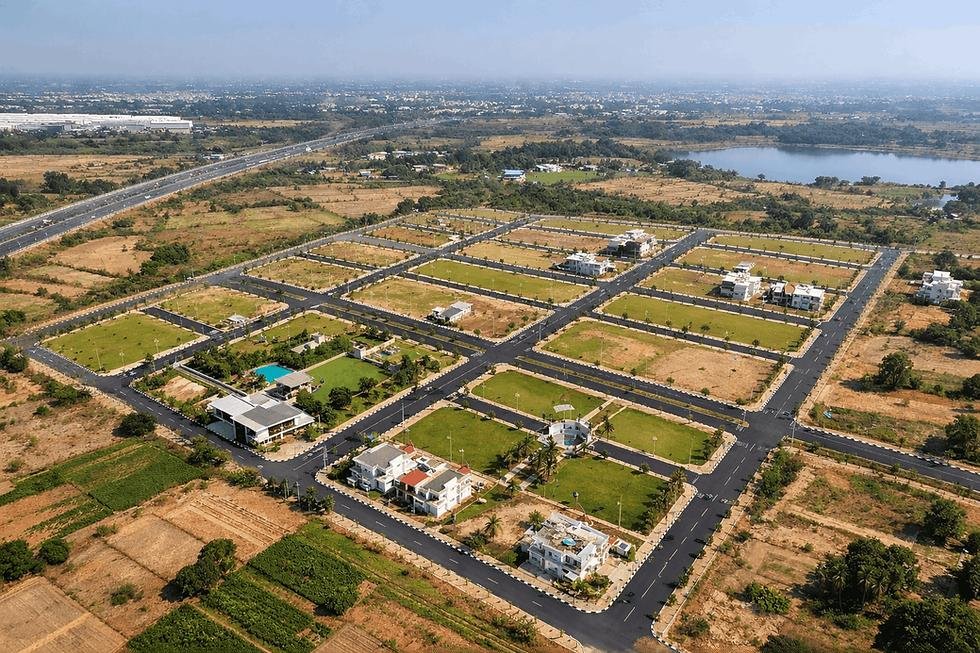
Frequently Asked Questions About Land for Sale
What should I check first when buying land?
Start by defining your purpose and budget. Then evaluate location, accessibility, plot size, documentation, land use, infrastructure, and total cost.
Is buying land better than buying a ready-made house?
It depends on your goals. Land can provide flexibility for future construction, while a ready-made home may allow you to move in sooner. Compare both options based on your budget and requirements.
How do I find land for sale near me?
You can search online property listings, local real-estate websites, property portals, and local agents. Always verify the property physically and professionally before purchasing.
What documents should I check before buying land?
The exact documents depend on the property and location. Ownership records, transaction history, tax records, survey information, applicable approvals, and other relevant records may need to be reviewed. A qualified local property professional can advise you on the appropriate checks.
Is open land a good investment?
Open land can be considered as part of a long-term investment strategy, but returns are not guaranteed. Location, demand, infrastructure, documentation, and holding period should all be considered.
Should I visit land before buying it?
Yes. A physical inspection can help you understand access, boundaries, surroundings, terrain, drainage, infrastructure, and neighborhood conditions.
How much land should I buy for a house?
The appropriate size depends on your house plan, family requirements, parking needs, budget, plot dimensions, and applicable local regulations.
Should I choose a corner plot?
A corner plot may provide additional access or design flexibility, but it can also cost more. Evaluate the actual advantages and applicable rules before deciding.
How can I compare different land properties?
Create a comparison checklist covering location, price, size, dimensions, road access, utilities, documentation, development, and future suitability.
Final Thoughts
Finding the right land for sale requires more than browsing property listings and comparing prices. A successful purchase begins with a clear purpose and continues with careful research, site inspections, price comparisons, document verification, and professional due diligence.
Whether you want to build your dream home, purchase residential property for the future, or explore a long-term investment, the right land should match your financial capacity and personal objectives.
Location, accessibility, plot size, infrastructure, documentation, land use, and future requirements should all be considered before making a decision.
Take your time, compare multiple properties, ask questions, and verify important information before committing your money.
The goal is not simply to purchase a piece of land. The goal is to choose a property that can support your plans today and provide useful possibilities for the future.
If you are currently searching for land for sale, use the checklist in this guide to evaluate each property carefully and make your final decision based on verified information rather than price or promises alone.